Credit Privacy Number: The Key to a Second Chance at Financial Freedom

Find out how a Credit Privacy Number empower people to rebuild after life’s toughest moments.


Rebuilding After Financial Hardship

Everyone deserves a second chance. Whether it’s recovering from a divorce, medical bills, job loss, bankruptcy, or the aftermath of the pandemic, rebuilding your credit can feel overwhelming. That’s where a Credit Privacy Number comes in. For over 15 years, we’ve helped thousands of clients use this powerful financial tool to start fresh, restore confidence, and move toward true financial freedom.

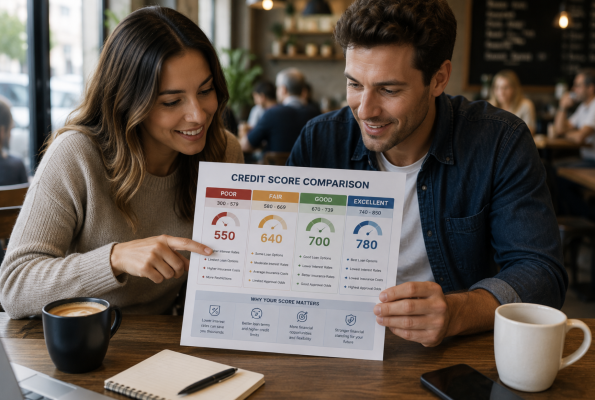
husband and wife receive credit privacy number


What Is a Credit Privacy Number?

A Credit Privacy Number (also known as a CPN Number) is a nine-digit identifier formatted just like a Social Security Number. It is sometimes referred to as a Credit Protection Number, Credit Profile Number, or SCN Number. The purpose of a CPN Number is to provide an alternate form of identification for certain credit-related purposes, allowing individuals to keep their Social Security Number private when applying for credit or other financial accounts.

Essentially, a Credit Profile Number allows a person to build a new credit file under a legally obtained number that separates their credit activity from their SSN. It’s an option used by people who want privacy, protection, or a clean start after facing credit challenges.


How a Credit Privacy Number Works

When used properly, a Credit Privacy Number functions as a unique identifier for credit reporting purposes. Once issued, it can be used to apply for credit cards, personal loans, apartments, utilities, and more—just as someone would with a Social Security Number. Over time, as accounts are established and paid responsibly, positive credit history is reported to the major bureaus, helping the new profile grow stronger.

A CPN Number doesn’t replace your SSN—it’s used for credit-related purposes only. It’s important to work with a reputable provider who ensures that your number is legally obtained and properly registered.


What a Credit Privacy Number Is For

The main goal of CPN Numbers is to give individuals a legitimate way to separate their personal financial past from their new financial future. It’s often used by those who:

  • Need a fresh start after bankruptcy or foreclosure

  • Want privacy for credit transactions

  • Are victims of identity theft

  • Need to re-establish their credit profile for approvals on housing, auto loans, or other major purchases

When paired with the right financial tools—like authorized user tradelines—a Credit Privacy Number can help you qualify for loans, credit cards, and rental approvals much faster than starting from zero.


Who Uses a Credit Privacy Number

The use of a Credit Privacy Number is common among people who have gone through significant financial hardship or want to protect their identity. Our clients include small business owners, self-employed individuals, military veterans, and even working professionals rebuilding after divorce or medical debt. Many people who lost everything during the 2008 recession or the COVID-19 pandemic turned to a Credit Privacy Number to re-establish stability and regain access to financing.


What Credit Privacy Numbers Are Used For

A Credit Privacy Number can be used in many of the same ways as a Social Security Number when it comes to credit-related activities. These include:

  • Auto loans and financing

  • Apartment rentals and property leases

  • Opening bank accounts

  • Setting up utility bills and cell phone service

  • Applying for personal or installment loans

  • Acting as a personal guarantor for business credit applications

Essentially, a Credit Profile Number helps you build a complete credit profile that lenders can evaluate for risk, opening doors that poor credit might have previously closed.


How People Get Approved for Apartments Using a Credit Privacy Number

One of the most common uses of a Credit Privacy Number is for housing approvals. Many landlords and property managers look at a potential tenant’s credit report to assess reliability. A person with past evictions, late payments, or bankruptcies may struggle to get approved. However, with a Credit Privacy Number, individuals can apply using a clean, separate file.

When paired with authorized user tradelines—accounts with established payment histories—the credit file associated with the CPN Number appears stronger and more trustworthy. Landlords typically look for consistency, no delinquencies, and established tradelines showing on-time payments. By presenting a credit file built with a Credit Privacy Number, clients often get approved for apartments and homes they would otherwise be denied.


Credit Privacy Numbers After the 2008 Recession and COVID-19 Pandemic

After the 2008 financial collapse, millions of Americans saw their credit destroyed. Many lost homes, jobs, and stability. The same pattern repeated during the COVID-19 pandemic, when shutdowns, unemployment, and medical bills drove people into debt. During these times, the Credit Privacy Number became a valuable lifeline for those seeking to rebuild.

Credit repair companies began offering structured programs to help clients start over, combining the use of a Credit Privacy Number with authorized user tradelines. This approach gave clients a faster path to a functional, positive credit file without waiting years for old negative accounts to age off.


Credit Privacy Numbers for Americans with Student Loan Debt

Student loans are one of the biggest barriers to credit recovery in the United States. For individuals burdened by tens of thousands in federal or private loans, even small delinquencies can ruin their scores. Using a Credit Privacy Number allows borrowers to rebuild a separate, healthy credit profile while working to manage their student loan obligations. Over time, this approach can lead to better financial opportunities—lower interest rates, higher approvals, and new beginnings.


Credit Privacy Numbers for Victims of Identity Theft

Identity theft can devastate someone’s credit for years. Even after resolving fraudulent accounts, victims often struggle to regain lenders’ trust. That’s why many turn to a Credit Privacy Numbers. By using a fresh identifier, they can separate their legitimate activity from the damaged SSN file. This helps rebuild trust and allows for a clean slate while retaining full legal ownership of their new credit activity.


Comparing Interest Rates: Good Credit vs. Bad Credit

Interest rates are one of the most tangible ways to see the difference between poor credit and strong credit. Someone with a low score may pay double—or even triple—the interest rate of a borrower with good credit. For example:

  • A person with bad credit may pay 25% on an auto loan, while someone with a strong file may pay 6%.

  • Credit cards with poor credit can have 29% APRs, versus 12% or less for those with excellent credit.

A Secondary Privacy Number, when built with tradelines and managed responsibly, allows individuals to transition from high-risk to prime borrower status—saving thousands in interest every year.


What Are Authorized User Tradelines?

Authorized user tradelines are existing credit accounts—usually credit cards—with a positive payment history. When someone is added as an authorized user, the account’s history reports to their credit file, instantly improving the appearance of age, payment consistency, and utilization ratios.

For example, if a family member or provider adds you to a 10-year-old credit card with perfect payments, your score benefits from that history. In the context of a CPN Number, adding authorized user tradelines helps establish credibility quickly, transforming a thin file into one that lenders trust.


How a Credit Privacy Number with Authorized User Tradelines Forms a CPN Package

When you combine a Credit Privacy Number with authorized user tradelines, you create what we call a CPN Package. Each package includes a newly issued Credit Privacy Number and a set of seasoned tradelines—ranging from 1 to 6 accounts—depending on the client’s goals. These packages are customized to help clients reach specific credit score targets or qualify for certain approvals, such as apartments, auto loans, or funding.

The Credit Privacy Number provides a clean file, while the tradelines provide the history that lenders and property managers like to see. Together, they form a complete solution for people rebuilding credit.


Benefits of Getting a CPN Package and Having Good Credit

Investing in a CPN package provides multiple benefits:

  1. Faster Approvals – Whether applying for an apartment, car loan, or bank account, approvals are smoother with a strong credit profile.

  2. Lower Interest Rates – Good credit opens access to better rates and higher credit limits.

  3. Improved Financial Confidence – Having a solid credit foundation gives clients peace of mind and freedom to rebuild.

  4. Opportunity for Growth – With good credit, you can move forward in business, housing, and personal goals.

Our company offers six distinct CPN Packages, each designed for specific needs. Whether you’re looking for one tradeline to start or six tradelines for maximum impact, our experts will help you choose the right package for your goals.


Qualifying for Credit

When using a Credit Privacy Number, qualifying for credit depends on the strength of your file. Lenders look for consistent payment history, low utilization, and at least a few active accounts. By combining your Credit Privacy Number with authorized user tradelines and responsible use, you can quickly demonstrate creditworthiness.


A Brief History of Credit Privacy Numbers and Authorized User Tradelines

The concept of using alternate identifiers for credit privacy began in the early 1970s, when privacy laws were introduced to protect consumers’ data. Over time, credit bureaus and lenders adapted to these identifiers, giving rise to the modern Credit Privacy Number. Authorized user tradelines, on the other hand, became popular in the 1990s and 2000s as a legitimate way to help consumers build credit through shared account history.

When combined, the Credit Privacy Number and authorized user tradelines have evolved into one of the most powerful tools for rebuilding credit in today’s financial landscape.


Legalities of Credit Privacy Numbers

A Credit Privacy Number is legal to use for credit purposes when properly issued. However, it’s important to avoid making false statements on credit applications or misrepresenting your identity. We always ensure full compliance with federal credit reporting laws and never associate our services with stolen Social Security Numbers or fraudulent activity. Our goal is transparency, education, and empowerment—not deception.


The Evolution of Credit Repair and the Role of CPNs and Tradelines

Credit repair began decades ago as a manual process—writing dispute letters and removing inaccuracies from reports. After the 2008 recession, credit repair evolved with the rise of Credit Privacy Numbers and tradeline strategies. By combining traditional credit repair (removing negative items) with Credit Privacy Number packages and authorized user tradelines, clients could rebuild their scores much faster. The approach now integrates personal and business credit building, offering a holistic path toward financial growth.


Benefits of Adding Authorized User Tradelines After Cleaning Your File

Once your credit report is clear of derogatory accounts, adding authorized user tradelines accelerates your progress. A clean file combined with strong tradelines reports consistent on-time payments, account age, and credit mix—three of the most influential scoring factors. For those using a CPN Number, this combination helps push scores higher in record time.


Combining Good Credit with Business Credit for Loans

Once personal credit (or a CPN Number profile) is established, many clients expand into business credit. Good personal credit helps secure better business financing, and together, they create a powerful foundation for success. As a personal guarantor, a strong credit file backed by a Credit Privacy Number and authorized user tradelines increases the likelihood of loan approvals, equipment financing, and credit card approvals for business growth.


15 Frequently Asked Questions About Credit Privacy Numbers

  1. What is a Credit Privacy Number?
    It’s a nine-digit identifier used for credit-related purposes to protect privacy and build a separate credit profile.

  2. Is a Credit Privacy Number legal?
    Yes, when issued correctly and used properly for credit applications—not for employment or taxes.

  3. What’s the difference between a Credit Privacy Number and a Social Security Number?
    The SSN is issued by the government for tax and identification; the CPN is used privately for credit.

  4. Who can use a Credit Privacy Numbers?
    Anyone seeking to rebuild credit, protect identity, or separate personal finances from past issues.

  5. How do I build credit with a Credit Privacy Number?
    By adding tradelines, maintaining on-time payments, and keeping utilization low.

  6. Can I rent an apartment with a Credit Privacy Number?
    Yes. Many clients get approved for apartments using their new credit file and added tradelines.

  7. What are authorized user tradelines?
    Existing credit accounts with good history that can be added to your file to boost your score.

  8. What is a CPN Package?
    A bundle including a Credit Privacy Number and 1–6 authorized user tradelines tailored to your goals.

  9. Can a Credit Privacy Number help after bankruptcy?
    Yes, it allows individuals to rebuild credit separately from their previous financial record.

  10. Does a CPN Number affect my Social Security Number?
    No. They remain separate, and using a CPN does not alter your SSN history.

  11. Can I open a bank account with a Credit Privacy Number?
    Yes, many banks accept applications using CPNs for new accounts and credit products.

  12. Are there risks to using a Credit Privacy Number?
    Only if you use an unverified provider or misrepresent the number’s purpose.

  13. Can I use my Credit Privacy Number for a car loan?
    Yes, once the credit file is established, many auto lenders accept CPN-based applications.

  14. How long does it take to build credit with a Credit Privacy Number?
    Typically within 30–60 days when using authorized user tradelines and proper financial behavior.

  15. Why choose your company for a CPN Numbers?
    We’ve been in business for over 15 years, providing expert guidance, verified numbers, and guaranteed posting tradelines.


Our Commitment to Every Client

For over 15 years, our team has helped people rebuild their financial futures. We understand that every situation is different—some clients are overcoming bankruptcy, others are escaping identity theft, and many are just seeking privacy and peace of mind. Our mission is to listen, guide, and walk with you through every step of the process. You’ll never be alone on your credit rebuilding journey.

If you’re ready for a new beginning, our experts are here to help. We’ll match you with the right Tradeline package, explain every step clearly, and ensure your credit goals are met. Don’t let the past define your financial future—start your second chance today with a Credit Profile Number and the guidance of a team that truly cares.

How To Achieve A New Credit History?

Credit Privacy Number

Building a strong financial profile often begins with one important goal: creating a new credit history. Whether someone is starting from scratch, recovering from financial difficulties, or trying to improve their approval chances with lenders, understanding how credit works is essential for long-term financial growth.

Many consumers assume credit improvement happens quickly, but establishing a healthy credit profile usually requires consistency, patience, and responsible account management. The good news is that anyone can begin building a new credit history by following the right financial habits and understanding how credit reporting systems operate.

A strong credit profile can influence far more than loan approvals. Credit reports are commonly reviewed for apartment rentals, auto financing, personal loans, business funding, and even some employment opportunities. This is why building a positive financial reputation matters so much in today’s economy.

What Does A New Credit History Mean?

A new credit history generally refers to a credit file with limited or recently established activity. This often applies to people opening their first accounts, consumers rebuilding after previous financial issues, or individuals who have not used credit in many years.

Lenders evaluate credit reports to determine how responsibly someone manages borrowed money. Credit scoring models analyze several factors, including payment history, credit utilization, account age, inquiries, and overall account performance. When a file contains little information, lenders may see the consumer as a higher risk simply because there is not enough data available.

Having a new credit history does not necessarily mean poor credit. In many cases, it simply means the consumer has not yet built enough reporting history to demonstrate long-term financial reliability.

Why Credit History Is Important

Credit history plays a major role in financial decision-making. Banks and lenders use credit reports to assess how likely someone is to repay debt responsibly. A stronger profile often leads to better interest rates, higher approval odds, and access to more favorable financing opportunities.

Consumers with limited history may struggle to qualify for traditional lending products because creditors cannot easily evaluate their borrowing behavior. Even individuals with stable income may encounter challenges if their credit reports lack established accounts.

A new credit history becomes especially important when applying for:

  • Credit cards
  • Auto loans
  • Mortgage financing
  • Apartment rentals
  • Personal loans
  • Business credit

Because many approval systems are automated, the information available on a credit report heavily influences lending decisions.

Starting The Credit Building Process

One of the first steps toward building a new credit history involves opening accounts that report to the major credit bureaus. Many consumers begin with secured credit cards or credit-builder loans because these products are often designed for individuals with limited credit experience.

Secured credit cards require a refundable security deposit, which typically becomes the credit limit. Responsible use of these accounts may help establish positive payment history over time.

Credit-builder loans function differently than traditional loans. Instead of receiving funds upfront, the lender places the loan amount into a secured account while the consumer makes monthly payments. Once the balance is paid, the funds become available to the borrower. These accounts may help establish installment loan history on the credit report.

The key to success is consistency. Making payments on time every month helps create positive reporting patterns that lenders value.

Understanding Credit Utilization

Credit utilization is one of the most important factors in many scoring models. This refers to the amount of revolving credit being used compared to the total available limit.

For example, someone with a $1,000 credit limit and a $300 balance would have a 30% utilization ratio. Lower utilization generally signals better financial management to lenders.

Consumers working to establish a new credit history should avoid maxing out credit cards whenever possible. High balances can negatively affect scores, even if payments are made on time.

Keeping utilization low demonstrates responsible borrowing behavior and may contribute to healthier long-term credit development.

Becoming An Authorized User
Couple checking their new credit history

Another strategy consumers often explore involves becoming an authorized user on an established credit card account. An authorized user is added to someone else’s account and may benefit from the account’s reporting history depending on the lender and credit bureau policies.

When the primary account holder maintains excellent payment history and low balances, the account may contribute positive information to the authorized user’s credit report.

Authorized user tradelines are commonly discussed among consumers seeking to strengthen a thin credit file. In some situations, these accounts may help improve:

  • Account age
  • Payment history
  • Credit utilization
  • Overall profile depth

However, authorized user accounts should not be viewed as a guaranteed solution. Long-term credit improvement still depends heavily on maintaining healthy personal financial habits.

Avoiding Common Mistakes

Consumers building a new credit history often make mistakes that slow progress unnecessarily. One of the most common problems involves applying for too many accounts within a short period.

Every application may generate a hard inquiry on the credit report. While a single inquiry usually has minimal impact, multiple inquiries in a short timeframe can lower scores temporarily and create concerns for lenders.

Missing payments is another major issue. Payment history carries significant weight in most scoring systems, and late payments can remain on reports for years.

Closing older accounts too quickly can also reduce available credit and shorten average account age. Even accounts that are no longer actively used may continue contributing positively to the overall profile.

Building credit successfully often requires patience and disciplined financial behavior over time.

Monitoring Credit Reports Regularly

Consumers establishing a new credit history should monitor their credit reports consistently. Reports from Experian, Equifax, and TransUnion may contain slightly different information because lenders do not always report to all three bureaus.

Reviewing reports regularly helps consumers:

  • Track account reporting
  • Identify errors
  • Detect fraud
  • Monitor score changes
  • Verify payment history

Errors on a thin file may have a larger impact because there are fewer accounts balancing the report overall. Catching inaccuracies early can help prevent long-term damage.

Identity theft protection is also important. Consumers with limited credit history may not immediately notice fraudulent activity unless they monitor reports carefully.

Building Long-Term Financial Stability

Achieving a new credit history is not only about increasing a score. The real goal is building a stable financial foundation that creates more opportunities over time.

Responsible borrowing habits, low utilization, on-time payments, and careful account management all contribute to stronger financial credibility. As the credit profile matures, lenders gain more confidence in the consumer’s ability to manage debt responsibly.

Financial improvement rarely happens instantly. Sustainable progress usually comes from steady, consistent habits maintained over months and years.

Consumers who focus on long-term financial health rather than quick fixes often experience the best results. A strong credit profile can eventually lead to better financing terms, increased approval opportunities, and greater financial flexibility.

Whether someone is starting fresh or rebuilding after setbacks, creating a new credit history is possible with patience, discipline, and the right strategy. Over time, responsible credit management can open the door to stronger financial opportunities and long-term stability.

Why is it important to have a credit history?

A strong credit history plays a major role in modern financial life. Whether someone is applying for a loan, renting an apartment, purchasing a vehicle, or opening a credit card, lenders and financial institutions often review credit reports before making decisions. For many consumers, understanding why credit history matters is the first step toward building long-term financial stability.

Some people assume credit history only matters when applying for large loans, but its impact reaches much further. A well-established credit profile can affect interest rates, approval odds, borrowing limits, and even future financial opportunities. Without a strong credit history, consumers may find themselves paying more for financing or struggling to qualify for important services.

Building and maintaining positive credit takes time, consistency, and responsible financial habits. The good news is that anyone can begin strengthening their profile by understanding how credit reporting works and how lenders evaluate financial behavior.


What Is Credit History?

Credit history is a record of how a consumer has managed borrowed money over time. Credit reports typically include information about credit cards, loans, payment history, balances, inquiries, and account age. This information is collected and maintained by the major credit bureaus, including Experian, Equifax, and TransUnion.

Lenders use credit history to evaluate risk. When someone consistently makes payments on time and manages accounts responsibly, it demonstrates financial reliability. On the other hand, missed payments, high balances, and collection accounts may signal financial instability.

Credit history helps lenders determine whether a borrower is likely to repay debt according to the agreed terms. Because of this, having positive reporting can improve approval opportunities and lead to better financing conditions.


Why Lenders Care About Credit History

Financial institutions want to reduce lending risk whenever possible. Credit history provides insight into a consumer’s past borrowing behavior, which helps lenders predict future financial responsibility.

Someone with an established history of on-time payments and low credit utilization is often viewed as a safer borrower than someone with little or negative reporting. This is why consumers with stronger profiles frequently receive lower interest rates and higher approval odds.

A positive credit history may help with:

  • Credit card approvals
  • Auto financing
  • Mortgage applications
  • Personal loans
  • Apartment rentals
  • Business funding opportunities

Even some insurance providers and employers may review credit information as part of their decision-making process.

Without sufficient credit history, lenders may have difficulty evaluating risk accurately. As a result, some consumers may face higher rates, lower limits, or outright denials despite having stable income.


The Connection Between Credit History And Credit Scores

Credit scores are heavily influenced by credit history. Scoring models analyze several factors found within the credit report, including payment history, utilization, account age, account mix, and recent inquiries.

Payment history is often considered one of the most important components. Making payments consistently and on time demonstrates reliability to both lenders and scoring systems.

Credit utilization also plays a significant role. This refers to the amount of available revolving credit currently being used. High balances relative to credit limits can negatively affect scores because they may indicate financial stress.

Length of credit history matters as well. Older accounts contribute to profile stability by showing long-term account management. Consumers with limited or newer files may struggle initially because there is less historical information available for lenders to evaluate.

Maintaining a healthy credit history over time usually supports stronger credit score development.


How Credit History Affects Interest Rates

One of the biggest advantages of having a strong credit history is access to better financing terms. Lenders often reward lower-risk borrowers with reduced interest rates because they are considered more likely to repay debt responsibly.

Even a small difference in interest rates can save consumers thousands of dollars over time, especially with large loans such as mortgages or auto financing.

For example, someone with excellent credit history may qualify for significantly lower monthly payments compared to a borrower with limited or negative reporting. Over the life of a loan, those savings can become substantial.

Consumers with weaker profiles may still qualify for financing, but often at much higher borrowing costs.


Building Credit History Responsibly

Building strong credit history does not happen overnight. It usually requires consistent financial habits maintained over time. Many consumers begin by opening secured credit cards, credit-builder loans, or becoming authorized users on established tradelines.

Responsible account management is essential throughout the process. Key habits include:

  • Making payments on time
  • Keeping balances low
  • Avoiding unnecessary debt
  • Monitoring credit reports regularly
  • Limiting excessive credit applications

These habits help establish positive reporting patterns that lenders value.

Authorized user tradelines are another strategy some consumers explore while strengthening their profiles. When someone is added as an authorized user on a well-managed account, positive reporting may appear on their credit report depending on the lender’s reporting policies.

However, long-term success still depends on maintaining healthy personal financial habits independently.


Common Mistakes That Hurt Credit History

Many consumers unintentionally damage their credit history by making avoidable mistakes. One of the most common issues involves missed payments. Even a single late payment can negatively affect scores and remain on the report for years.

High credit card balances are another common problem. Maxing out revolving accounts may increase utilization ratios and create concerns for lenders reviewing the file.

Applying for too many accounts in a short period may also lower scores temporarily due to multiple hard inquiries.

Closing older accounts too quickly can shorten average account age and reduce available credit, which may negatively impact the overall profile.

Consumers should also monitor their reports for errors or fraudulent activity. Inaccurate reporting can sometimes create unnecessary financial obstacles if not corrected promptly.


Why Credit History Matters For Financial Growth

Strong credit history often creates greater financial flexibility. Consumers with established positive profiles may qualify for larger credit limits, better loan terms, and easier approval opportunities.

This can become especially important during major life events such as purchasing a home, financing a vehicle, starting a business, or relocating to a new apartment.

A positive financial profile also helps consumers prepare for unexpected situations. Access to credit during emergencies may provide temporary financial relief when managed responsibly.

Building healthy credit habits early can create long-term benefits that extend far beyond simple credit score improvement.


Maintaining Long-Term Credit Health

Maintaining strong credit history requires ongoing financial discipline. Even consumers with excellent scores can experience setbacks if accounts are mismanaged over time.

Regularly reviewing credit reports, keeping balances manageable, and maintaining on-time payments all contribute to long-term stability. Financial consistency often matters more than short-term improvements.

Consumers should view credit history as a long-term financial asset rather than a temporary goal. Responsible borrowing behavior builds trust with lenders and may continue opening financial opportunities for years to come.

Understanding why credit history matters is one of the most important steps toward achieving greater financial confidence. With patience, consistency, and smart account management, consumers can build stronger profiles that support both short-term goals and long-term financial success.