CPN Apartment Guide
Streamline Your Rental Application

Finding a place to call home shouldn't feel like an endless uphill battle. Yet, for millions of renters, past financial bumps in the road, a sudden medical emergency, a job shift, or an unexpected divorce, can make securing an apartment feel almost impossible. Modern corporate landlords and property managers rely almost entirely on automated algorithm screenings. These automated systems don't care about your story, your character, or your current ability to pay rent; they simply look at raw numbers and throw up instant red flags.That is where a Credit Privacy Number comes into play. A CPN (also known as a Credit Profile Number) is a nine-digit numerical identifier used to build a separate, clean credit profile. When properly paired with strong, verified tradelines, a CPN gives you a fresh start to present a clear, reliable credit history that meets the strict filters of modern rental screening tools. Explore CPN Packages Ready for a Fresh Start on Your Next Rental?

Credit Profile Number: What Is a Credit Profile Number?

A Credit Profile Number(CPN),  sometimes marketed as a “Credit Privacy Number”  is a nine-digit sequence that comes up frequently in conversations about credit rebuilding and personal data protection. Because it follows the same nine-digit format as a Social Security Number (SSN), the two are often confused. That confusion is precisely what makes CPNs risky to understand at only a surface.

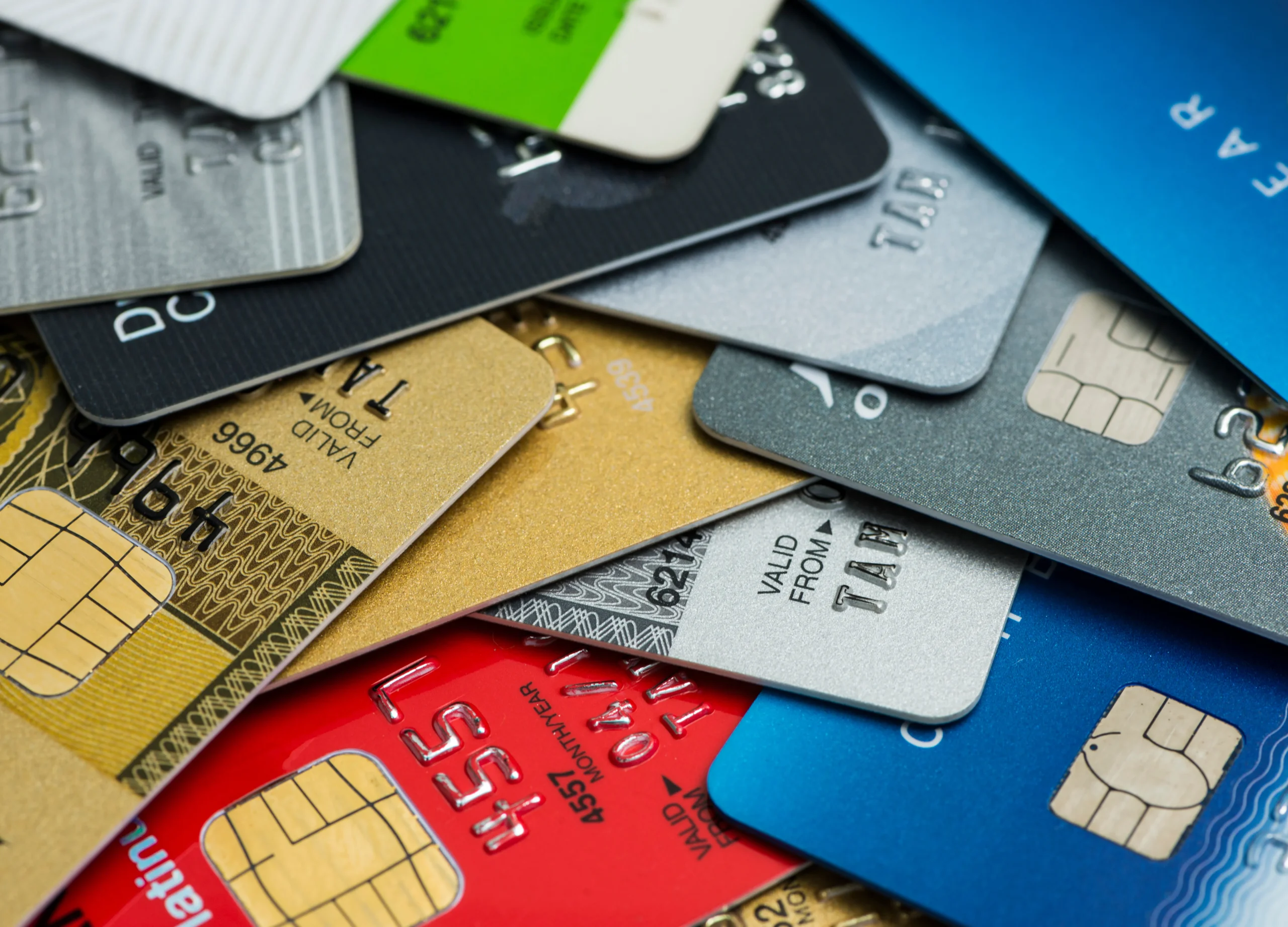
A close-up, overlapping stack of various multicolored credit and debit cards, representing the diverse options associated with a Credit Profile Number.
Preview

CPN vs. SSN: The Critical Difference

The distinction between a CPN and an SSN is not a technicality, it's the whole issue. Social Security Numbers are issued exclusively by the Social Security Administration and are the only number recognized by lenders, employers, and government agencies for identity and credit purposes. CPNs, by contrast, are typically created, sold, or distributed by private third parties, self-styled "credit consultants," or credit-related vendors with no federal authority to issue any form of identification.

A CPN is not a government-issued number, and no private company has the legal standing to create one that functions as a substitute for your SSN.

Why People Look Into Getting a CPN

Interest in credit profile numbers usually comes from a real and understandable problem: damaged credit, old financial errors, or the aftermath of identity theft. Some people are told a CPN can help them open a "separate file" to work around that history, sometimes as part of a broader plan pitched by someone claiming to specialize in credit repair.

This is where caution matters most. Some companies oversell what a CPN can do, implying it can stand in for an SSN or erase a troubled credit history. It cannot do either. A CPN should never be used as a substitute for your government-issued Social Security Number, on a credit application or anywhere else.

What Federal Agencies Say About CPNs

The IRS and the Social Security Administration have both made clear that only SSNs and authorized taxpayer identification numbers are valid for credit, lending, tax, and government documentation. A CPN created and sold by a private party is not recognized for any of these purposes, no matter how it's marketed.

A Credit Profile Number does not:

  • Erase existing debt
  • Delete late payments or negative history
  • Create a new financial identity
  • Provide legal grounds for use on mortgage applications, tax filings, background checks, or other official credit processes

Using a CPN in place of an SSN on a credit application can lead to serious legal consequences, including fraud charges. This risk exists regardless of the seller's promises or how the product is framed.

Legitimate Credit Repair Is Regulated; CPN Sales Are Not

Any legitimate credit-improvement service must operate under the Credit Repair Organizations Act (CROA), a federal law that requires transparency and prohibits deceptive claims. Ethical credit professionals work within these rules and focus on fundamentals that actually move the needle:

  • Lowering credit utilization
  • Keeping seasoned accounts open
  • Making on-time payments consistently
  • Allowing positive credit history to build over time

None of these strategies involve manufacturing a new identifying number. If an advisor's plan centers on a CPN rather than these fundamentals, that's a signal to look elsewhere.

Are There Any Legitimate Uses for a CPN?

online-finances-hand-pressing-credit-score-button-on-tablet

In narrow, specific contexts, a CPN-like number has legitimate origins, for example, numbers issued to protect victims of stalking or domestic violence, or file numbers used internally by certain businesses. But these are not the products being sold by CPN vendors marketing "credit privacy" or a "clean slate," and they don't function as an alternative SSN for everyday credit or lending purposes. If you believe you have a genuine need for identity protection, that's a conversation for the Social Security Administration or a licensed attorney, not a paid CPN provider.

The Real Path to Credit Recovery

There is no shortcut that replaces consistent financial discipline. The proven path to rebuilding credit looks the same as it always has:

1

Make on-time payments every month

2

Reduce credit utilization on revolving accounts

3

Keep older accounts open to preserve credit history length

4

Dispute genuine errors directly through the credit bureaus

5

Let positive history accumulate over time

Why a CPN Can't Replace Real Credit Repair

A Credit Profile Number has no legal authority for mortgages, tax filings, background checks, or any official credit process. Promotions that suggest otherwise are misleading, and using a CPN as an SSN substitute carries real legal risk. The reliable route to long-term financial stability is lawful, ethical credit-building, not shortcuts tied to unauthorized CPN use.

Start Rebuilding Your Credit Now!

Don’t wait years for traditional credit-building methods to take effect—Authorized User Tradelines can give you results in a matter of weeks.

Contact us now for a free consultation.

Our experts will review your goals, recommend the best tradeline packages, and create a customized strategy to put you on the fast track to success.

How a Credit Profile Number Is Marketed to Work

A Credit Profile Number, sometimes called a CPN Number or Credit Privacy Number, is often promoted as a way to create a credit file that’s separate from your primary credit report. This idea appeals to people looking for a credit rebuilding strategy, especially those who want more financial privacy or hope to distance themselves from negative items on their existing credit history. The pitch is simple: use a nine-digit identifier that looks distinct from your Social Security Number and start building what’s advertised as a “new credit profile.”

How Sellers Claim a CPN Number Works

Companies selling CPNs frequently claim that once you attach personal information, such as name, address, date of birth, to the number, the credit bureaus (Experian, Equifax, and TransUnion) will generate a new file under that Credit Profile Number. According to these pitches, the fresh file captures new credit activity, including payment history, account openings, and credit utilization, so it looks as though the person is starting their financial life from scratch.

What Sellers Say Happens During a Credit Application

In many promotional pitches, lenders are said to treat the CPN-linked file as an independent credit report when reviewing a credit application. Sellers claim that over time, responsible account management, on-time payments, and low utilization will gradually build a score tied to the CPN rather than to the consumer’s actual Social Security Number.

What These Claims Leave Out

A Credit Profile Number does not come with established credit, and it doesn’t guarantee a clean slate. Building any legitimate credit history still requires the same steps used in standard credit repair: consistent payments, low balances, and responsible account management. A CPN doesn’t shortcut that process; it just adds a second number to keep track of.

The Legal Reality of Using a CPN Number

This is the most important point: a Credit Profile Number cannot legally replace your Social Security Number on any credit, loan, or government application. Federal regulations require accurate identification for legitimate financial transactions. Using a CPN Number in place of an SSN can expose someone to serious legal risk, including charges related to misrepresentation or fraud.

The Sustainable Path Forward

Long-term financial improvement comes from ethical, lawful credit-building habits, not from shortcuts. Whether the goal is rebuilding credit after past issues or simply gaining more privacy, disciplined, responsible credit management remains the only sustainable path to a stronger credit profile.

How Can You Benefit from Using a Credit Profile Number?

Using a CPN Number can offer several benefits, especially if you’re looking to protect your privacy or start fresh with your credit. Here are some key benefits of using a CPN Number:

For people whose credit reports show late payments, charge-offs, defaults, or even past bankruptcy, the idea of starting fresh is incredibly appealing. A Credit Profile Number is often presented as a tool that can help separate old financial issues from new credit activity. While it cannot wipe away debt or instantly repair credit damage, some individuals use a CPN to begin rebuilding new accounts without carrying the weight of their previous mistakes. In situations involving identity theft or compromised Social Security Numbers, a CPN is sometimes promoted as a way to move forward with a separate credit file.

Still, even with a Credit Profile Number, rebuilding credit comes down to one thing: consistent financial responsibility. Your progress depends entirely on how well you manage new accounts. Making every payment on time, staying current with due dates, and keeping balances controlled are the behaviors that lenders and credit bureaus pay closest attention to. If payments are late or accounts fall behind, any progress made toward a healthier credit profile can quickly disappear.

It’s important to understand that creating a clean credit path doesn’t happen overnight. Credit scores strengthen through steady, positive behavior — low utilization, responsible borrowing, and an ongoing record of timely payments. Whether you are opening a small starter credit card or managing a larger loan, how you handle those accounts determines your long-term success more than any number, including a CPN.

Even though a Credit Profile Number may provide a chance to rebuild, it must never be used to hide, disguise, or falsify your true identity. Applying for credit with inaccurate information or attempting to mislead lenders is considered fraud and can have serious legal consequences. The safest and most effective strategy is to focus on financial discipline: meet every due date, keep balances manageable, and maintain accounts in good standing.

At its core, rebuilding credit requires patience, honesty, and consistent effort. Whether you’re recovering from bankruptcy, dealing with the aftermath of identity theft, or working to overcome past financial challenges, the formula remains the same — pay your bills on time, stay organized with due dates, and manage your accounts responsibly. Over time, these habits create the strong, clean credit profile you’re working toward.

For people dealing with bad credit, limited credit history, or past financial mistakes, securing new credit approvals can feel overwhelming. Lenders look closely at your credit report, and signs of late payments, high utilization, or previous defaults often lead to declined applications. This is why some individuals are drawn to the idea of a Credit Privacy Number — a nine-digit identifier not issued by the Social Security Administration — which is frequently marketed as a way to begin building a new credit profile. While it may appear to offer a clean slate, true approval still depends on your overall credit behavior, credit utilization, and financial reliability.

A Credit Profile Number may be used by people recovering from issues such as identity theft, but it does not erase the fundamental credit-building rules. Lenders and credit bureaus look for consistent patterns of responsible financial activity, regardless of which identifier is attached to the file. Any credit application submitted under a new profile must be truthful. Providing inaccurate details or using a CPN to hide who you are can be considered identity fraud and, in serious cases, may lead to federal charges.

Credit rebuilding is a gradual process. Even if you begin working with a separate number, your success depends on how well you manage your accounts. Keeping existing accounts open, maintaining low balances, protecting your available credit, and watching your credit utilization ratio are essential habits. Most experts recommend staying under 30% of your total available credit to maintain healthy credit scores. Consistent on-time payments and responsible use of revolving accounts are what move scores upward over time.

Some people mistakenly believe that a Credit Privacy Number will solve all credit problems or serve as a shortcut around a poor credit history. However, using it to mislead lenders, hide previous obligations, or impersonate another identity is illegal. Misusing a nine-digit number that is not recognized by the Social Security Administration can lead to severe consequences. The IRS only recognizes ITINs (Individual Taxpayer Identification Numbers) for people who need an alternative to an SSN — not CPNs sold online.

At the end of the day, there is no instant solution for weak credit. Improving your financial standing requires steady habits: paying bills on time, lowering your credit utilization, keeping older accounts in good standing, and limiting unnecessary credit applications. While a Credit Profile Number may offer privacy or separation for certain situations, it only becomes beneficial when paired with responsible financial management and full transparency on every credit application.

A common reason people explore the idea of a Credit Profile Number is the belief that it can provide an extra layer of privacy while distancing their identity from credit issues that stem from misused information or past identity theft. Since your Social Security Number (SSN) is required for almost every major financial action — applying for credit, verifying accounts, securing loans, or checking scores — it becomes a high-value target for cybercriminals. In an attempt to protect their identity, some individuals try to use a CPN in situations where they are worried about exposing their real SSN.

Unfortunately, this has created an opening for unethical “credit repair” companies that market CPNs as a way to wipe out bad credit, build a new financial identity, or start over with a supposedly clean slate. These claims are misleading and dangerous. Using a CPN to hide your identity or substitute it for your SSN on a credit application is illegal and can be treated as a federal offense. Anything that involves falsifying personal information for the purpose of obtaining credit may fall under fraud or identity theft laws, and penalties can be severe.

Legitimate credit repair services do not rely on shortcuts or identity-altering tactics. Reputable professionals focus on legal methods of improving a credit score — lowering utilization, increasing available credit, making consistent on-time payments, and ensuring that credit reports reflect accurate information. These real credit-building strategies are what gradually move a score upward without exposing someone to legal consequences.

The problem is that many fraudulent companies take advantage of people struggling with damaged credit by pushing “quick fix” schemes involving new credit identities or selling CPNs. These scams often involve submitting fake information, manipulating personal data, or encouraging clients to misrepresent who they are on applications. Activities like these may be prosecuted as identity theft or fraud, especially when a false SSN, altered identity, or unauthorized number is used to obtain credit.

It’s crucial to understand that real credit improvement never requires creating a fake identity or misusing a CPN Number. Ethical credit repair specialists operate within federal law, guiding clients through proven methods such as lowering credit card balances, maintaining responsible account activity, and consistently paying bills on time. Working with trustworthy professionals ensures that your financial recovery stays legal, safe, and free from the risks associated with credit repair scams, identity manipulation, or fraudulent CPN practices.

When it comes to major purchase financing — whether you’re trying to buy a car, secure an auto loan, or get approved for a mortgage — your credit file plays a huge role in how lenders evaluate you. For people facing bad credit financing challenges, the idea of using a CPN Number or Credit Privacy Number is often presented as a way to build a separate, clean credit file that could improve their chances of approval.

Many consumers who struggle to get financing because of late payments, collections, or limited credit history are drawn to the concept of a Credit Profile Number because it allows them to begin establishing new credit activity without the negative impact of their older reports. Lenders, banks, and mortgage lenders rely heavily on credit data to determine risk, so a fresh profile with good payment behavior can make a noticeable difference during a credit approval review.

As new accounts show positive payment history, low credit utilization, and responsible management, the credit score tied to this separate profile may begin to rise. A stronger score can help applicants qualify for better financing approval terms, including reduced interest rates on auto loan financing or home loan programs. Lower interest rates can save borrowers thousands of dollars over the life of a loan, making the overall purchase much more affordable.

While a new profile may open doors to improved loan options, long-term success still depends on consistent credit behavior. Keeping balances low, paying every bill on time, and avoiding unnecessary credit inquiries remain key factors in strengthening any credit report — whether tied to your SSN or a CPN Number.

Once your CPN Number is registered with the three credit bureaus, you can monitor your credit profile just as you would your SSN file. You can request a credit report for the CPN Number and check for any changes or discrepancies. This allows you to stay on top of your credit health and make adjustments as needed.

For individuals who are concerned about identity theft or who want to track their credit progress, using a CPN Number can make it easier to keep an eye on financial activities linked to that number. Many credit monitoring services offer alerts and detailed reports, which can help you stay informed about any changes to your credit file.

Some people opt to use a CPN Number to avoid being associated with negative credit histories. For instance, if you’ve had past disputes with creditors or if your SSN is linked to accounts that have been charged off or sent to collections, using a CPN Number can help you avoid these negative associations. By using a separate credit profile, you may be able to avoid complications that arise from past financial mistakes.

For people who want greater control over how their financial information is managed, a Credit Privacy Number (CPN) can be presented as a way to create added separation between different areas of their credit activity. Some individuals prefer to keep certain financial records private or build a profile that is independent from their main credit report, and a CPN is often marketed as a tool that allows for that type of separation.

In certain situations, entrepreneurs, small-business owners, and people with multiple income streams may feel that keeping personal and business credit activity isolated provides better organization and flexibility. By maintaining one credit profile tied to their Social Security Number and developing another profile associated with a CPN, they may attempt to keep business-related inquiries or accounts from impacting their personal file. This approach is often viewed as a way to create clearer boundaries between personal spending, business operations, and long-term financial planning.

How a CPN Differs From Your Social Security Number

A Credit Profile Number (CPN) and a Social Security Number (SSN) both consist of nine digits, but that’s where any similarity ends. An SSN is a government-issued identifier permanently tied to your legal identity. It’s used for employment verification, tax reporting, federal recordkeeping, social benefits, and nearly every official financial obligation you’ll encounter. Every SSN is tracked through federal databases and governed by federal law.

A CPN is different in every meaningful way. It’s marketed by certain companies as a “credit privacy” tool, but it has no connection to any government system, isn’t issued or recognized by any federal agency, and exists entirely outside official identification programs. At best, a Credit Profile Number is associated with a narrow set of credit-related activities, and even then, its legitimacy is questionable.

Because a CPN carries no legal standing, it cannot lawfully replace an SSN anywhere a Social Security Number is required. Using a CPN on tax documents, employment forms, loan applications, or government filings isn’t a workaround, it’s a red flag that can trigger serious legal consequences, including fraud and identity theft charges, since many CPNs in circulation are built from stolen or fabricated SSNs belonging to someone else.

Common Questions About Using a CPN

No — a CPN Number, also known as a Credit Privacy Number or Credit Profile Number, must be exclusive to a single user. Every legitimate credit identity requires a unique nine-digit identifier. If a CPN appears on multiple credit files or is being used by more than one individual, that’s a major signal that something is wrong. Shared numbers are often linked to recycled data, stolen identities, or improperly generated CPNs sold by unreliable sources.

When a CPN Number is duplicated, it can cause credit report conflicts, denied applications, or red flags with lenders who detect overlapping information in their system. In more serious situations, using a number tied to someone else’s credit identity can lead to investigations or legal issues—especially if it’s associated with fraudulent activity.

Anyone considering a Credit Privacy Number should ensure the number has been properly issued, verify its authenticity, and confirm that it belongs to one person only. Proper CPN verification and sourcing your number from a trusted provider are essential steps to avoiding long-term credit approval issues and protecting your financial profile.

No. A CPN Number — also known as a Credit Privacy Number or Credit Profile Number — cannot legally be used to obtain a job. Employers are required by federal law to verify work eligibility and identity using a valid Social Security Number (SSN) or an officially issued taxpayer identification number. During hiring, companies must run background checks, confirm tax information, and set up payroll using government-recognized identifiers, not a CPN.

Trying to submit a CPN in place of an SSN during the hiring process can raise serious red flags and may be viewed as employment fraud, identity misrepresentation, or an attempt to avoid legitimate tax reporting. CPNs are not approved for work authorization, payroll processing, or any employment-related documentation.

A Credit Profile Number should only be used, when appropriate, for specific credit-related purposes — never for job applications, I-9 forms, or work identity verification. Misusing a CPN in the employment process can lead to legal trouble, denied job opportunities, and potential federal penalties.

No. A CPN Number—also known as a Credit Privacy Number or Credit Profile Number—cannot be used for any type of federal background check. Government agencies, including immigration services, the military, law enforcement, TSA, and federal contractors, are legally required to verify identity through a valid Social Security Number (SSN) or an official government-issued tax identification number.
Using a CPN in place of an SSN during federal screening can be interpreted as fraud, identity misrepresentation, or an attempt to bypass federal verification systems. Federal databases do not recognize CPNs for identity checks, national security clearance, or background investigations of any kind.

Can I Use a CPN Number to Apply for an Apartment Rental?

In some cases, yes—certain property managers and landlords who rely primarily on credit bureau data for tenant screening may accept a Credit Privacy Number instead of a traditional Social Security Number. This can sometimes benefit:

  • Applicants rebuilding credit

  • People recovering from bankruptcy

  • Resident aliens protecting personal identity

  • Individuals with limited credit history

  • Renters whose SSN was previously compromised or stolen

If someone builds a positive credit file linked to their CPN—showing on-time payments, low credit utilization, and consistent financial responsibility—they may appear as a reliable tenant during the screening process.

However, it is crucial to distinguish legal use from illegal misuse. A CPN should never be used to deceive a landlord, hide identity, falsify a rental application, or impersonate someone else. The Social Security Administration is the only agency authorized to issue new SSNs, and anyone claiming to sell “legal replacement Social Security Numbers” is running a scam.

Many fraudulent operators advertise CPN packages as a way to “instantly repair credit” or “erase debt,” but these claims are false and dangerous. Using a CPN in place of an SSN on official applications—including loans, mortgages, government documents, or federally backed housing—may be considered identity theft, which is a federal offense.

How to Improve Rental Approval Odds the Right Way

To increase your chances of being approved for an apartment—whether you use your SSN or a CPN—focus on building a strong financial profile:

  • Pay every bill on time

  • Keep credit card balances low

  • Avoid late payments and collections

  • Maintain open accounts in good standing

  • Communicate with lenders if you fall behind

  • Monitor your credit reports regularly for errors or fraudulent activity

These habits strengthen your credit over time, making you more attractive to landlords and creditors.

The Bottom Line

A CPN Number may help with privacy and may be accepted in certain credit-based housing applications, but it cannot legally replace your SSN for taxes, federal employment, or government background checks.
Misusing a CPN can result in fraud charges, legal consequences, or severe damage to your financial future.

Always use a CPN ethically, stay transparent on applications, and work with credible professionals when rebuilding your credit. Responsible financial habits—not shortcuts—are what ultimately improve your credit profile and open more housing and lending opportunities.

In certain situations, yes. Some auto lenders, especially those that rely heavily on credit bureau data, may review a credit file connected to a CPN Number—also called a Credit Privacy Number or Credit Profile Number. If that CPN profile already contains positive tradelines, solid payment history, and low credit utilization, a lender may view the applicant as less risky, even if their SSN-based credit is poor.

This can sometimes help people secure bad credit auto loans, qualify for lower interest rates, or access better financing terms. However, acceptance varies widely. Each dealership, auto finance company, and subprime lender has its own rules about what forms of identification they allow for auto loan approval. Some lenders strictly require an SSN, while others may review a CPN-based file if the credit history is consistent and well-established.

The key factor is always lender policy, not the CPN itself. A CPN never guarantees approval—it only helps when the supporting credit file is strong, legitimate, and verified by the lender’s internal process.

In some cases, yes—but it depends on the bank or credit union. Certain financial institutions that use credit-based identity verification may allow applicants to open a checking account using a Credit Privacy Number, as long as the CPN is connected to a stable, well-built credit profile. This typically requires the CPN to already have active tradelines, reported payments, and a positive financial history.

However, many banks—including major national institutions—still require a valid Social Security Number, ITIN, or additional documentation for identity verification, anti-fraud checks, and federal compliance. Smaller banks, online banks, and some credit unions are more familiar with CPN banking applications, but acceptance is never guaranteed.

If you’re considering opening a checking account using a CPN:

  • Look for institutions that have experience processing CPN-based applications

  • Ensure your CPN Number is legitimate and verified

  • Make sure your CPN credit file contains reporting tradelines

  • Be prepared to provide additional documents depending on bank policy

A CPN may offer more privacy for certain consumers, but the ability to open a checking account ultimately depends on the bank’s internal rules and identity-verification requirements.

Yes. Applying for credit cards is one of the most common uses for a CPN. With the right tradelines attached, your CPN profile can reflect positive history and low utilization, making it more appealing to card issuers. Over time, this can help qualify you for higher limits, rewards programs, and premium credit cards.

A tri-merged credit report means your CPN profile is recognized by all three major credit bureaus—Experian, Equifax, and TransUnion. Many lenders and landlords require a tri-merged file to ensure a complete credit history is being reported across the board.

A clean CPN should never be connected to any Social Security Number SSN, existing credit report, or prior financial accounts. It must be a completely unused nine digit number that passes verification and validation checks. Always ensure you’re using a CPN that has been verified through legitimate sources and confirmed safe by a trusted provider. Reputable credit repair companies that comply with the Credit Repair Organizations Act can help verify that the number isn’t associated with bad credit history, identity theft, or any negative marks on a prior credit report.

Remember, a CPN is a nine-digit identifier and not a replacement for your legal Social Security Number SSN issued by the Social Security Administration. Only the Social Security Administration can legally issue a new SSN, and obtaining one through unauthorized methods or CPN scam services can violate federal tax laws. Many CPN scam operations mislead consumers with poor credit or damaged credit scores, claiming that using a CPN is a legal way to erase negative marks or bypass bad credit. These practices are deceptive, and in many cases, using a CPN fraudulently may be considered misrepresentation or even identity misuse.

A clean CPN can only support a legitimate credit application if it’s properly registered and not linked to someone else’s credit information. For example, credit repair companies following the Credit Repair Organizations Act often help clients monitor their credit and set up automatic payments to improve their credit scores over time. This legal process, along with consistent file taxes compliance, ensures your credit report remains accurate while you responsibly build a positive financial record.

Many individuals turn to using a CPN after identity theft or when their credit report is filled with negative marks. However, this process must follow the law. Only the Social Security Administration can issue a legitimate new SSN, typically in cases of confirmed identity theft, stalking, or other serious circumstances. If a provider offers a new SSN without federal approval, that’s a major red flag of a CPN scam. Always verify legitimacy before using a CPN, since improperly obtained numbers can tie back to criminal records or credit applications belonging to someone else.

Your credit scores are influenced by multiple factors: your credit utilization ratio, history of automatic payments, and on-time payments on credit applications or revolving credit accounts. Even if you’re using a CPN, these habits still matter. Lenders review your new credit report for consistent behavior and responsible use of credit information. Credit repair companies can guide you on how to improve your credit scores, but beware of those that make unrealistic promises or encourage illegal CPN scam tactics.

Legitimate credit repair companies follow both tax laws and the Credit Repair Organizations Act, ensuring you understand how to file taxes, dispute inaccuracies, and rebuild financial stability legally. Any provider that offers to “guarantee approval” or “erase bad credit instantly” while using a CPN is likely illegal. Many scammers target consumers desperate to escape poor credit, charging high fees for services that often lead to fraud alerts, frozen credit reports, and even legal penalties.

If you’ve been the victim of identity theft or are rebuilding from bad credit history, focus on authentic financial strategies—maintaining automatic payments, disputing negative marks, and avoiding CPN scam offers. You cannot purchase a new SSN to replace an old one for credit purposes; only the Social Security Administration can legally issue a new SSN under specific, verified circumstances. Always remember that while using a CPN can protect privacy in certain contexts, it should never be used to falsify a credit application or hide credit information.

Ultimately, using a CPN legally is about protecting your identity, not escaping debt. Verify your nine digit number, ensure your provider complies with the Credit Repair Organizations Act, and check your credit report regularly for accuracy. Work with legitimate credit repair companies that emphasize education, credit scores management, and lawful transparency—not CPN scam shortcuts. If a service offers a new SSN or asks for upfront payment without written disclosure, it’s almost certainly illegal. By staying informed, monitoring your credit, and keeping your credit report clean, you can gradually restore your credit health and avoid the traps that come with unverified using a CPN offers.


    How can we help? Talk to me!

    Which Service Would You Like More Info on?

    Phone

    Monday – Saturday 9 AM – 7 PM PST

    (714) 587-3745

    Email

    Send Us a Message, a Member of Our Staff Will Respond ASAP

    George Maturino tradelines@cpntradelines.com

    Questions to Ask Before Trusting Any CPN Seller

    If you’re being pitched a Credit Profile Number, a few honest questions will usually reveal the problem:

    • Where did this number actually come from? No company can legally issue a new nine-digit identifier, only the Social Security Administration can. If a seller can’t explain this, the number is likely tied to someone else’s real SSN.
    • Why would a “clean, unused” number even exist? Every valid SSN is already assigned. A number with no history isn’t unused, it’s usually stolen from a minor, a deceased person, or someone who hasn’t started using credit yet.
    • Would this hold up if a lender or employer checked? Tri-merging with Experian, Equifax, and TransUnion doesn’t make a CPN legitimate, it just means the fraud hasn’t been caught yet.
    • Am I willing to risk fraud charges to build a tradeline? Pairing a CPN with tradelines doesn’t build real credit history; it builds a paper trail that can be used as evidence later.

    If a seller answers these questions with reassurances instead of straight answers, that’s the clearest sign to walk away.

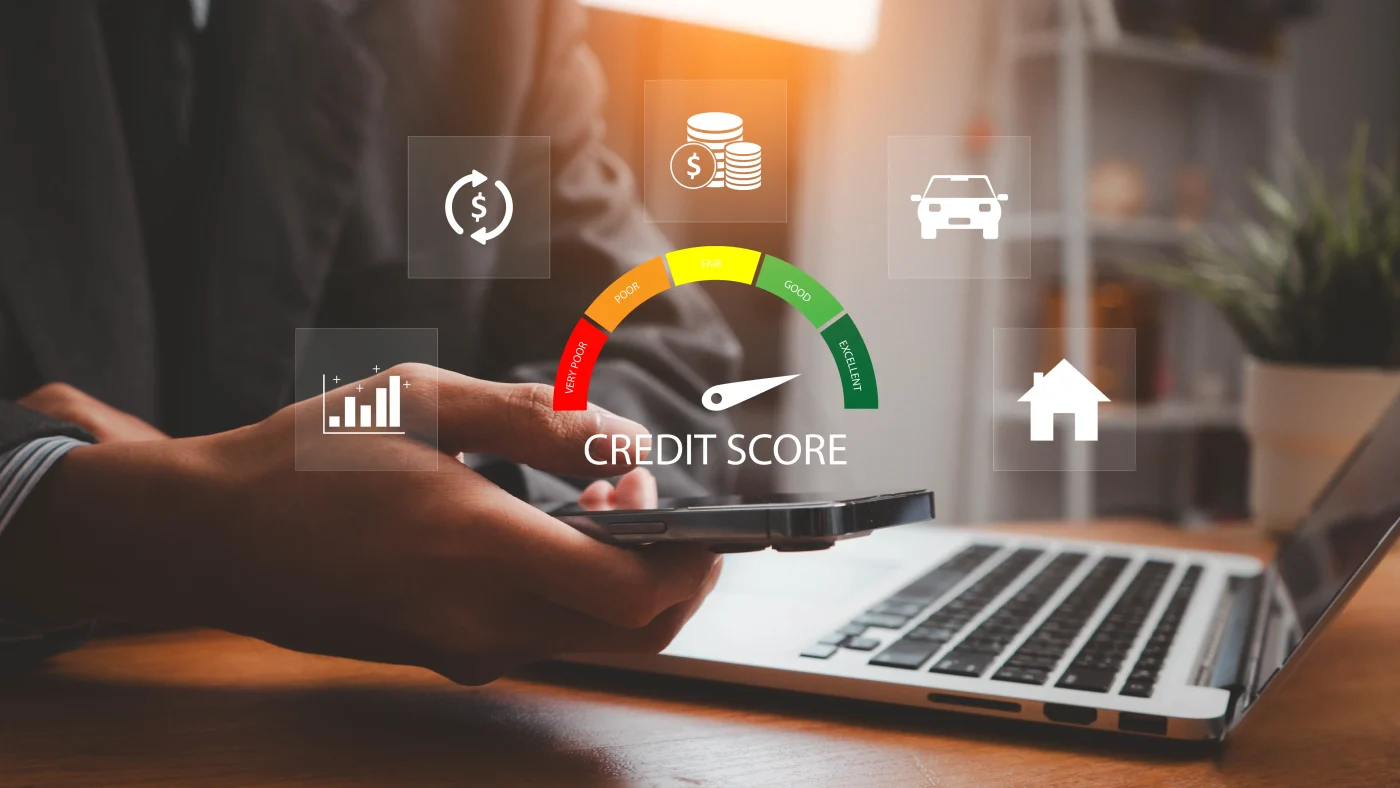
    A client checking their skyrocketing credit score after using our premium Credit Profile Number services

    The safest approach is recognizing there’s no legitimate CPN to begin with, so avoiding scams means avoiding CPNs altogether. Be wary of any seller promising an instant high credit score, “guaranteed” loan or housing approval, or a number that’s “verified clean and unused” no company can actually confirm this, since only the Social Security Administration has access to that data. If a number seems too clean, it’s often because it belongs to a child, a deceased person, or someone else entirely. Pressure to pay fast, in cash or crypto, is another common red flag.

    If you’re dealing with credit challenges, building credit under your own identity,through secured credit cards or authorized-user tradelines, is a safer and more lasting solution than any CPN provider can offer.

    Not really. A “blank” credit profile isn’t a benefit, it’s a warning sign. Every legitimate SSN either has a credit history or belongs to someone too young or too new to have built one yet. There’s no legal way for a brand-new, unassigned nine-digit number to simply appear. So a “blank” CPN almost always traces back to a real person’s SSN, often someone who won’t notice the activity right away, like a minor. Using it doesn’t create a fresh start; it borrows someone else’s identity, and if discovered, it can lead to fraud charges.

    The only really fresh start is one built under your own identity, through secured credit cards or authorized-user tradelines.

    Authorized user tradelines are credit accounts, usually revolving credit cards, where someone adds you as an “authorized user” on their existing account. In credit terms, a tradeline is just any account listed on your credit report. Once you’re added, that account’s history, its age, payment record, and credit utilization, can start showing up on your credit file too.

    The goal is to strengthen a thin or damaged credit profile by borrowing established, positive history. This can be especially useful if you have little to no credit yet, or if you’re rebuilding after past credit setbacks. By boosting factors like account age, payment history, and utilization, tradelines can make it easier to qualify for credit cards, loans, mortgages, or even apartment rentals.

    One thing to watch for: not every card issuer reports authorized user activity to all three credit bureaus. To get the full benefit, make sure any tradeline you use reports to Experian, Equifax, and TransUnion, otherwise it won’t help across the board.

    Yes. Authorized user tradelines may be added to a CPN-related credit profile, allowing the account’s payment history, age, and credit limit to appear on the report. However, results are not guaranteed, and lenders may evaluate authorized user accounts differently. Always use accurate personal information and follow all applicable credit and lending laws.

    The right tradelines depend on your financial goals and current credit profile. Factors such as the account age, credit limit, utilization, and type of account should be carefully reviewed. A personalized assessment can help identify suitable options, but results may vary, and no tradeline can guarantee approval or a specific credit score increase.

    CPN Packages: The Perfect Solution for Your Credit Needs

    If you’re considering a CPN Number, we also offer comprehensive CPN Packages designed to help you get started on the right foot. Our packages not only include a CPN Number but also offer additional features like 1-4 tradelines to enhance your credit profile. Tradelines are accounts listed on your credit report that can boost your credit score by adding positive payment histories from established credit accounts.

    When you purchase one of our CPN Packages, we ensure that your CPN Number is tri-merged with the three major credit bureaus (Experian, Equifax, and TransUnion) for seamless integration. Additionally, our CPN tradeline packages provide the advantage of building your credit quickly, as the tradelines will start contributing to your new credit profile right away.

    Choose from 6 CPN Tradeline Packages. Each package is customized to match your goals and financial situation.

    Our CPN Number & Tradeline Specialists

    Our experts work closely with every client to ensure they choose the CPN Tradeline Package that best matches their credit goals.

    Trusted Tradeline Support

    With over 15 years of experience, our team understands how to properly build and strengthen credit files. We’ll guide you step by step through creating and growing your CPN Number for lasting results.

    All CPN Numbers are DELIVERED THE SAME DAY they are ordered. 

    We understand the importance of getting started quickly, and we strive to provide fast, efficient service to help you get on your journey to good credit as soon as possible.

    Whether you’re looking to rebuild credit from scratch, protect your privacy, or obtain financing for major purchases, our CPN Number and/or CPN packages are a great fit.

    The History and Evolution of Credit Profile Numbers

    Credit Profile Numbers, also called Credit Privacy Numbers or CPNs, became widely discussed in the early 2000s as consumers looked for ways to protect their personal and financial information. Promoters often claimed that these nine-digit numbers could serve as alternatives to Social Security Numbers for certain credit-related activities.

    The concept was sometimes connected to celebrities, public officials, and other high-profile individuals who needed additional privacy protections. However, the identification methods legitimately used by government agencies or privacy programs are not the same as commercially sold CPNs.

    As public interest increased, CPNs were marketed to people dealing with identity theft, divorce, bankruptcy, poor credit, or other financial challenges. Some companies presented them as a quick way to establish a separate credit profile, protect personal information, or avoid the lengthy process of rebuilding damaged credit.

    Despite these claims, no federal agency recognizes a CPN as a legal replacement for a Social Security Number. The Social Security Administration and Internal Revenue Service do not issue CPNs for use on credit applications. Some numbers sold as CPNs have reportedly been stolen Social Security Numbers belonging to children, deceased individuals, or other identity theft victims.

    By the early 2010s, federal agencies began issuing stronger warnings about CPN-related schemes. Consumers were advised that entering a CPN instead of their Social Security Number on a loan, mortgage, credit card, housing, or other official application could result in allegations of fraud, identity theft, or making false statements.

    Regulators also increased enforcement against businesses that advertised CPNs as a legal or guaranteed method of obtaining new credit. Many consumers were misled by promises of a clean credit file, immediate score improvements, or guaranteed financing approvals.

    Today, CPNs remain controversial and widely misunderstood. Although they are sometimes promoted as privacy or credit-rebuilding tools, using one to conceal a credit history or replace a legally required Social Security Number can carry serious financial and legal consequences.

    Anyone considering a CPN-related service should verify all claims carefully, avoid providing false information, and consult a qualified attorney or reputable nonprofit credit counselor before proceeding.

    Take Control of Your Credit Today!!

    If you’re ready to take the next step toward rebuilding your credit and creating a stronger financial foundation, our Credit Privacy Number services can help you move forward with confidence. Reach out today to learn more about our CPN Packages, which include a verified CPN Number along with powerful, high-quality tradelines designed to help you build a new credit profile and strengthen your overall financial standing. We offer same-day delivery, giving you immediate access to your Credit Privacy Number so you can start taking action right away. Whether you’re looking for better credit opportunities or a fresh start, our team is here to guide you every step of the way. Your improved financial future starts now — contact us to get started.

    Call Now!

    CONTACT US
    close slider

      How can we help? Talk to me!

      Which Service Would You Like More Info on?

      Call Now Button