Have a question
Finance provides the latest financial news, market analysis, and investment insights. We cover stocks, cryptocurrency, real estate, and personal finance tips to help you make informed decisions and achieve financial success. Stay updated with us!
Have a question
Address
Email us


A CPN Number—sometimes referred to as a Credit Profile Number or credit privacy number cpn, also known as a credit profile number or credit protection number– is a nine-digit identifier formatted similarly to and designed to resemble SSNS, that is mentioned in the credit rebuilding and financial-privacy space. It looks similar to a Social Security Number SSN because both use a nine-digit format and are requested during credit pulls, loan or credit application processes, or other financial reviews with financial institutions, including businesses and lenders. The key difference is that a Social Security Number SSN comes directly from the government, while a CPN Number is usually provided through private vendors, consultants, or credit-related companies involved in selling services to consumers.
People seek out a credit privacy number (CPN) when they want to establish a separate credit file, especially if their primary credit report contains negative items, poor credit, past financial mistakes, or issues related to identity theft involving personal infoarmation. In many cases, consumers are encouraged to buy or obtain SSNS alternatives through vendors, although this is where caution is critical due to the risk involved. Some consumers use it as part of a broader rebuilding strategy to repair credit, ideally under the guidance of a reputable professional who understands proper credit-repair practices under federal trade commission (FTC) rules. It’s important to stay cautious, though—there are companies that exaggerate what a CPN can do or falsely suggest it can replace your Social Security Number SSN. It cannot and should never be used as a substitute. In fact, the government, the internal revenue service (IRS), and the federal trade commission have all warned that misuse—especially when trying to apply for credit, apply, or bypass id verification—can lead to serious consequences and mey be considered identity theft or even fraud.
Legitimate credit-improvement services must follow the Credit Repair Organizations Act enforced by the federal trade commission, which requires honest disclosures and prevents companies from making misleading promises while selling or attempting to sell CPNs. True professionals focus on rebuilding your financial standing, helping you improve your fico score, helping managing credit cards, reducing credit utilization, preserving long-standing accounts, reducing debt with each creditor, managing the credit and handling every loan responsibly while ensuring proper reporting and transparency for consumers.
When handled responsibly, a credit privacy number cpn may appear to add a layer of privacy during certain financial processes, but it must always be used within legal guidelines. Make sure any organization or advisor you work with follows federal compliance rules and avoids questionable practices. This includes proper id verification, accurate reporting, and compliance when filing taxes with the internal revenue service using recognized identifiers like an individual taxpayer identification number. This protects you from credit-repair scams and keeps your path to better credit ethical, compliant, and effective, helping consumers avoid legal risk.
In the credit and financial-privacy space, a credit privacy number cpn — short for Credit Privacy Number — is sometimes promoted as a credit profile number or credit protection number. It’s a nine-digit identifier, often described as having nine digits, that gets marketed to people trying to shield their personal information or move past a damaged credit score. Although it’s often portrayed as a shortcut for fixing credit problems, the reality is more complex and presents challenges for most people.
For someone dealing with low credit scores or recovering after identity theft, especially those with poor credit, the concept of using a separate identifier might seem attractive. The problem is that many “credit repair” outfits and companies misuse the term and push misleading CPN offers, sometimes selling services and encouraging people to buy or obtain SSNS alternatives, claiming these numbers can legally replace a social security number ssn or allow someone to start over with a clean financial record. Both the internal revenue service (IRS) and the government’s Social Security Administration have warned that only Social Security Numbers and official taxpayer identification numbers are recognized for legitimate financial use — not numbers created and sold through questionable CPN providers targeting consumers.
A Credit Privacy Number does not erase debts, wipe your credit history, or give you a new financial identity or new credit identity. Presenting one as a government-issued identifier on a credit application, during id verification, or when you apply for credit can lead to serious legal consequences as it could be considered identity theft or fraud. The internal revenue service has made it clear that taxpayer identification numbers have specific purposes, especially when filing taxes, and anything outside those guidelines is not permitted.
Instead of relying on something marketed as a quick fix, the safest and most effective path forward is to rebuild credit through legitimate strategies: paying bills consistently, lowering credit utilization, managing revolving accounts responsibly, and allowing positive payment history to accumulate over time. True credit improvement comes from responsible financial behavior — not from CPN scam promises.
For anyone looking for a new financial start, it’s important to understand that although a credit privacy number cpn is a nine-digit number, it carries no legal authority and cannot be used in place of your real identity for things like auto loan, mortgages, or any official loan or credit application. Steering clear of CPN scams and focusing on lawful credit-building practices is the only dependable way to achieve long-term financial stability. In short, while terms like credit privacy number and credit protection number may sound helpful, real progress comes from proper credit repair, responsible account management, and compliant reporting under IRS guidelines.
Our experts will review your goals, recommend the best tradeline packages, and create a customized strategy to put you on the fast track to success.
A CPN Number is often marketed as a way to establish a separate credit file that isn’t linked to your primary credit report. This concept is appealing to consumers who wish they could rebuild after credit problems or who want added privacy when dealing with government-regulated financial institutions, companies, businesses or even when they are trying to rent an apartment. The idea behind it is the creation of a distinct profile that is not immediately connected to your existing Social Security Number (SSN).
Many companies claim that once a CPN is obtained, it can be used to open new accounts or begin forming a new credit profile or credit identity, with major credit bureaus such as Experian, Equifax, and TransUnion. The pitch is that, after attaching your personal details — like your name, address, and date of birth — the number will be associated with a fresh credit file, like a new credit identity. Under this marketed concept, any new financial activity, such as payments or credit utilization, would eventually build a new credit history tied to the Credit Privacy Number CPN.
It’s also commonly advertised that lenders will review the information linked to the CPN when evaluating applications, treating it as an independent profile. It is believed that this creditor review process over time, shapes a new score based on repayment behavior and account management, including your fico score, and how well you pay obligations.
However, a CPN does not come with established credit. Even when someone is told they’re starting with a “clean slate,” they would still need to demonstrate responsible financial habits — making payments on time, keeping balances low, and managing accounts sensibly — in order to build any positive history, especially for individuals with poor credit or people facing financial challenges.
Most importantly, a CPN cannot legally serve as a substitute for your Social Security Number, on credit or loan applications, this loan and credit application processes have more to them. Any legitimate credit-building process still requires accurate identification and compliance with federal regulations, this includes id verification along with any of the local government requirements for each respective state, this means that any report or suspicion of a victim of identity theft will be handled accordingly by the local police department. Responsible credit management — no matter which profile is being discussed — remains the only sustainable way to improve long-term financial health.
Using a CPN Number can offer several benefits, especially if you’re looking to protect your privacy or start fresh with your credit. Here are some key benefits of using a CPN Number:
One of the main benefits of using a CPN Number is the ability to protect your personal information while avoiding bad credit complications that often come from misused data or identity theft associated with poor credit. Your Social Security Number (SSN), also referred to as your social security number ssn, is used in nearly every financial transaction — from submitting a credit application or loan or credit application to securing loans or verifying credit scores — which makes it a frequent target of hackers and data thieves. By substituting a CPN Number for your same SSN when dealing with financial institutions, some people attempt to safeguard their real identity and reduce the chance of becoming victims of severe identity theft.
However, many shady credit repair companies and potential credit repair scams falsely promote CPNs as a “fresh start” for those with bad credit or damaged credit scores, often encouraging people to sell CPNs or use them in ways that are not legal. In reality, using a CPN to falsify or conceal your identity on a credit application can be considered a federal crime under government regulations and may qualify as identity theft. The act of applying for loans or creating a new credit identity with false information can result in legal penalties, especially when your intent is to deceive lenders or any creditor.
Legitimate credit repair services focus on helping clients repair credit properly—by improving credit utilization, maintaining available credit, paying monthly payments on time, and ensuring accurate reporting of credit scores, including your fico score—not by promoting illegal or deceptive tactics. Improving credit utilization and keeping available credit balances low are key factors in raising credit scores, while opening responsible accounts such as credit cards and making regular monthly payments can steadily build positive history.
Unfortunately, many shady credit repair companies exploit those desperate to escape poor credit by promoting potential credit repair scams or promising “instant results” through new credit identities. Such tactics often involve submitting false information or selling CPNs, both of which can lead to being charged with a federal crime. These acts are often considered identity theft, especially when someone’s same SSN or personal data is altered, reused, or masked to create a fake identity. In extreme situations, these actions may even be classified as severe identity theft, carrying serious consequences enforced by the government.
It’s essential to remember that responsible credit repair services never instruct clients to sell CPNs, use false information, or create new credit identities. They operate within the law, following guidance from the federal trade commission, focusing on legitimate strategies like lowering your credit utilization, maintaining available credit, and ensuring on-time monthly payments to improve credit scores over time. Working with trusted professionals who understand how to repair bad credit correctly is the safest way to rebuild your financial foundation.
If your credit history has been damaged by past mistakes such as late payments, defaults, or bankruptcy, using a Credit Privacy Number, often referred to as a credit privacy number cpn, can help you work toward a clean credit slate. Although it won’t instantly erase financial problems or remove past debts tied to any creditor, it can help you separate old accounts from new ones as you begin building credit responsibly. A CPN Number can provide a second chance for those who have faced bankruptcy or dealt with stolen Social Security Numbers, also known as a social security number ssn, giving them an opportunity to create a separate, legitimate credit profile or credit file.
However, even with a Credit Privacy Number, success depends on your financial discipline. The best way to rebuild your financial standing is to pay your bills consistently, make time payments, and always pay your bills on time before each due date. Lenders and credit bureaus, including Experian, track these details closely, and failing to meet your due date obligations can quickly undo progress. Learning to pay your bills and manage a loan responsibly are the cornerstones of responsible credit use when dealing with financial institutions.
Remember, building credit takes time, and a clean credit slate only helps if you manage it wisely. Always keep your credit accounts in good standing by making time payments, keeping balances low, and paying your bills on time to avoid negative marks. Responsible management of loans, from small credit cards to larger installment loans, shows that you can handle credit wisely and gradually improve your fico score, even if you started with poor credit.
While a Credit Privacy Number may help you start over, it should never be used for committing fraud or concealing your real identity. Attempting to apply for credit or a loan with false information is considered committing fraud, which can lead to serious legal and financial consequences under government regulations. Instead, focus on learning financial discipline—make your time payments, keep your credit healthy, and stay current with your bills on time. By doing so, you can gradually rebuild your credit profile and maintain that clean credit file you’ve worked hard to achieve.
In short, building credit takes time, patience, and responsibility. Whether you’re recovering from bankruptcy, protecting against stolen Social Security Numbers, or trying to restore your reputation after financial hardship, consistency and honesty are key. Pay your bills, stay aware of each due date, and keep your credit strong to create lasting results when working with lenders and any creditor.
For individuals with bad or poor financial history, getting approved for new lines can be a long, stressful process. Many lenders review your report and see a pattern of negative history, which can make them hesitant to approve any application. A Credit Privacy Number CPN—a unique nine digit number not issued by the Social Security Administration—is often marketed as a way to start fresh with a new file. While it may sound like a quick fix, it’s crucial to understand how your financial health, utilization, and scores, including your fico score, still determine your credibility.
The Credit Privacy Number CPN can help create a separate profile for those recovering from identity theft or other personal setbacks, but lenders and bureaus still evaluate your overall financial behavior. Whether you have bad history or none at all, any application you submit under this new profile must be handled honestly and responsibly. Submitting false information or using the number to hide your identity can be considered identity theft and, in serious cases, a federal crime under government regulations that require proper id verification.
Rebuilding takes time. Even with a new nine digit number, the principles remain the same—maintain old accounts, keep them open, manage your available balances, and track your utilization ratio. Strong financial health depends on balancing your revolving accounts and ensuring your utilization stays under 30% of your total available limit. Paying bills on time and responsibly managing applications are the foundation for improving scores over time.
Although some individuals view a Credit Privacy Number CPN as an escape from poor history, it should never be used to deceive lenders or impersonate another person’s identity. Misuse of this nine digit number can be traced back to you and may result in penalties from the Social Security Administration or even prosecution for committing a federal crime. For taxpayers who legally need alternate identification, only individual taxpayer identification numbers issued by the Internal Revenue Service are recognized—not numbers purchased or generated online.
In reality, there’s no quick fix for poor scores. Improving your financial health and restoring trust with lenders comes from consistent payment history, maintaining a strong utilization ratio, and responsibly managing your accounts. Using a Credit Privacy Number CPN may help you keep your privacy and rebuild a legitimate file, but it will only benefit you if you maintain sound financial habits and remain transparent in every application you submit.
If you’re planning to make a major purchase, such as buying a car or a home, a CPN Number can provide a pathway to access financing. Many individuals with a poor financial history struggle to secure loans for large purchases, but by using a CPN Number, you may increase your chances of approval.
Lenders always look at your history when deciding whether to extend financing, and a CPN Number allows you to establish a new, clean file. With a positive history tied to your CPN Number alongside an improved fico score, you will qualify for better financing options, such as lower interest rates, which can save you lots of money over time when working with these financial institutions.
Once your CPN Number is registered with the three bureaus, you can monitor your profile just as you would your SSN file. You can request a report for the CPN Number and check for any changes or discrepancies. This allows you to stay on top of your financial health, improve your fico, and make adjustments as needed.
For individuals who are concerned about identity theft or who want to track their progress, using a CPN Number can make it easier to keep an eye on financial activities linked to that number when dealing with financial institutions. Many monitoring services offer alerts and detailed reports, Including those connected to Experian, which can help you stay informed about any changes to your file.
Some people opt to use a CPN Number to avoid being associated with negative histories. For instance, if you’ve had past disputes with creditors or if your SSN is linked to accounts that have been charged off or sent to collections, using a CPN Number can help you avoid these negative associations. By using a separate profile, you may be able to avoid complications that arise from past financial mistakes.
A CPN Number offers flexibility for individuals who want to maintain control over their financial identity. If you’re looking to build a profile that is separate from your existing financial activities, especially when dealing with financial institutions, or wish to keep your personal and financial details more private, a CPN Number provides that opportunity.
For example, entrepreneurs or individuals with complex financial situations may find it useful to create a distinct profile for business purposes while still maintaining their personal file under a different SSN.This can help separate personal and business finances, allowing for greater financial flexibility when working with lenders or any creditor.
Although both a CPN Number and a Social Security Number (SSN) are nine-digit identifiers, they have very different functions. An SSN is issued by the federal government and is directly tied to your identity for taxes, employment, and social benefits. It is connected to official government databases and used for a wide range of legal and financial obligations, including id verification with financial institutions.
A CPN, by contrast, is considered a privacy tool and operates outside of government systems. Its use is limited to certain financial activities and interactions with lenders or a creditor.The two are not interchangeable, and attempting to use a CPN in place of an SSN—such as for tax filings, employment, or government benefits, or any time you apply for a loan— can result in serious legal consequences under the internal revenue service and federal law.
No. A valid CPN Number should always be unique to a single individual. If the same number is being used by multiple people, it’s a serious red flag that the number may have been stolen, recycled, or improperly issued. Duplicate usage can lead to credit report conflicts, account denials, or even legal problems if it’s tied to someone else’s identity. That’s why it’s essential to only obtain your CPN from a trusted provider and verify its validity before use.
No. Employers are legally required to use Social Security Numbers (SSNs) or other official government-issued tax IDs for background checks, work eligibility verification, and payroll processing. A CPN cannot replace an SSN for employment, and trying to use one could be considered fraud. CPNs should only be used for legitimate, credit-related purposes.
No. Federal agencies—including law enforcement, military, immigration, and government contractors—only recognize SSNs or other official IDs. A CPN cannot be used for federal background checks, and attempting to do so could result in fraud charges.
No. The IRS and state tax authorities do not recognize CPNs. Taxes must be filed with an SSN (for individuals) or EIN (for businesses). A CPN cannot be linked to tax records, income, or refunds, and using one for taxes could result in legal consequences.
Sometimes, certain landlords or property managers may accept a Credit Privacy Number when screening an apartment application, especially if they rely mainly on credit bureau data and not a traditional Social Security Number. In such cases, using a CPN can help resident aliens, individuals recovering from bankruptcy, or those trying to rebuild their credit profile. For example, a renter who consistently makes on-time payments, stays current on bills on time, and keeps their credit file clean can often show they’re financially responsible even without a long credit history.
While using a CPN can sometimes improve approval odds for housing or other financial applications, it must always be used legally and responsibly. Consumers must understand that only the government—specifically the Social Security Administration—can issue official identification numbers, and trying to get a new SSN through third parties is illegal. Some scammers claim that CPNs legal substitutes for SSNs, charging hundreds of dollars for them, but these offers are typically illegal and may involve committing fraud or identity misuse.
The government warns that using a CPN in place of a Social Security Number to apply for loans, apartment applications, or financial applications could be considered identity theft, which is a serious illegal offense. These scammers often claim their services can improve your credit instantly or erase debts, but those are false promises. Real progress happens through consistent habits—paying bills, making on-time payments, and communicating with each creditor to rebuild your financial standing.
To truly improve your credit, focus on positive actions such as keeping your balances low, making every payment on time, and using reminders to avoid missing due dates. Responsible credit behavior—like paying bills, maintaining strong financial applications, and showing reliability to a creditor—helps you demonstrate that you’re trustworthy. Over time, these efforts will improve your credit and prove far more effective than any quick fix offered by scammers who claim instant results.
If you’re recovering from bankruptcy or past debts, monitor your credit regularly to track changes and protect against stolen data or unauthorized activity. Many resident aliens use a Credit Privacy Number legitimately to keep their personal information secure and protect their identity, especially when applying for apartments or jobs that require background checks. Just remember that using a CPN should never be about deception—it’s about privacy.
In summary, while using a CPN for certain financial applications may seem appealing, it’s important to understand the difference between legitimate privacy protection and illegal misuse. The government has made it clear: applying with a CPN as a replacement for your SSN can result in committing fraud or other illegal consequences. Always work with trusted professionals, stay transparent, monitor your credit, and follow lawful methods to improve your credit and responsibly manage payments, debts, and apartment opportunities without risking your financial future.
Yes, in some cases. Auto lenders that focus primarily on credit bureau reports may consider a CPN if it shows strong tradelines and payment history. This can help applicants qualify for better rates even if their SSN-based credit is weak. Approval, however, depends on the lender’s policies.
Possibly. Some banks and credit unions may allow CPNs for credit-based verification, but many still require SSNs or additional documentation. If you plan to open an account with a CPN, look for institutions familiar with processing these applications and ensure your CPN file is already built with tradelines.
Yes. Applying for credit cards is one of the most common uses for a CPN. With the right tradelines attached, your CPN profile can reflect positive history and low utilization, making it more appealing to card issuers. Over time, this can help qualify you for higher limits, rewards programs, and premium credit cards.
A tri-merged credit report means your CPN profile is recognized by all three major credit bureaus—Experian, Equifax, and TransUnion. Many lenders and landlords require a tri-merged file to ensure a complete credit history is being reported across the board.
A clean CPN should never be connected to any Social Security Number SSN, existing credit report, or prior financial accounts. It must be a completely unused nine digit number that passes verification and validation checks. Always ensure you’re using a CPN that has been verified through legitimate sources and confirmed safe by a trusted provider. Reputable credit repair companies that comply with the Credit Repair Organizations Act can help verify that the number isn’t associated with bad credit history, identity theft, or any negative marks on a prior credit report.
Remember, a CPN is a nine-digit identifier and not a replacement for your legal Social Security Number SSN issued by the Social Security Administration. Only the Social Security Administration can legally issue a new SSN, and obtaining one through unauthorized methods or CPN scam services can violate federal tax laws. Many CPN scam operations mislead consumers with poor credit or damaged credit scores, claiming that using a CPN is a legal way to erase negative marks or bypass bad credit. These practices are deceptive, and in many cases, using a CPN fraudulently may be considered misrepresentation or even identity misuse.
A clean CPN can only support a legitimate credit application if it’s properly registered and not linked to someone else’s credit information. For example, credit repair companies following the Credit Repair Organizations Act often help clients monitor their credit and set up automatic payments to improve their credit scores over time. This legal process, along with consistent file taxes compliance, ensures your credit report remains accurate while you responsibly build a positive financial record.
Many individuals turn to using a CPN after identity theft or when their credit report is filled with negative marks. However, this process must follow the law. Only the Social Security Administration can issue a legitimate new SSN, typically in cases of confirmed identity theft, stalking, or other serious circumstances. If a provider offers a new SSN without federal approval, that’s a major red flag of a CPN scam. Always verify legitimacy before using a CPN, since improperly obtained numbers can tie back to criminal records or credit applications belonging to someone else.
Your credit scores are influenced by multiple factors: your credit utilization ratio, history of automatic payments, and on-time payments on credit applications or revolving credit accounts. Even if you’re using a CPN, these habits still matter. Lenders review your new credit report for consistent behavior and responsible use of credit information. Credit repair companies can guide you on how to improve your credit scores, but beware of those that make unrealistic promises or encourage illegal CPN scam tactics.
Legitimate credit repair companies follow both tax laws and the Credit Repair Organizations Act, ensuring you understand how to file taxes, dispute inaccuracies, and rebuild financial stability legally. Any provider that offers to “guarantee approval” or “erase bad credit instantly” while using a CPN is likely illegal. Many scammers target consumers desperate to escape poor credit, charging high fees for services that often lead to fraud alerts, frozen credit reports, and even legal penalties.
If you’ve been the victim of identity theft or are rebuilding from bad credit history, focus on authentic financial strategies—maintaining automatic payments, disputing negative marks, and avoiding CPN scam offers. You cannot purchase a new SSN to replace an old one for credit purposes; only the Social Security Administration can legally issue a new SSN under specific, verified circumstances. Always remember that while using a CPN can protect privacy in certain contexts, it should never be used to falsify a credit application or hide credit information.
Ultimately, using a CPN legally is about protecting your identity, not escaping debt. Verify your nine digit number, ensure your provider complies with the Credit Repair Organizations Act, and check your credit report regularly for accuracy. Work with legitimate credit repair companies that emphasize education, credit scores management, and lawful transparency—not CPN scam shortcuts. If a service offers a new SSN or asks for upfront payment without written disclosure, it’s almost certainly illegal. By staying informed, monitoring your credit, and keeping your credit report clean, you can gradually restore your credit health and avoid the traps that come with unverified using a CPN offers.

When considering a purchase, make sure to ask:
Our team provides full transparency, answering these questions and supplying documentation so you know your CPN is safe, valid, and ready for use.
The best way to stay safe is to work only with trusted providers who have years of proven experience. Be cautious of anyone promising an instant 800+ credit score or “guaranteed” loan approvals—these are major red flags. Always request proof that the number you receive is clean and unused. With us, every client is provided with a verified clean CPN Number along with expert guidance on how to use it properly for legitimate, credit-related purposes.
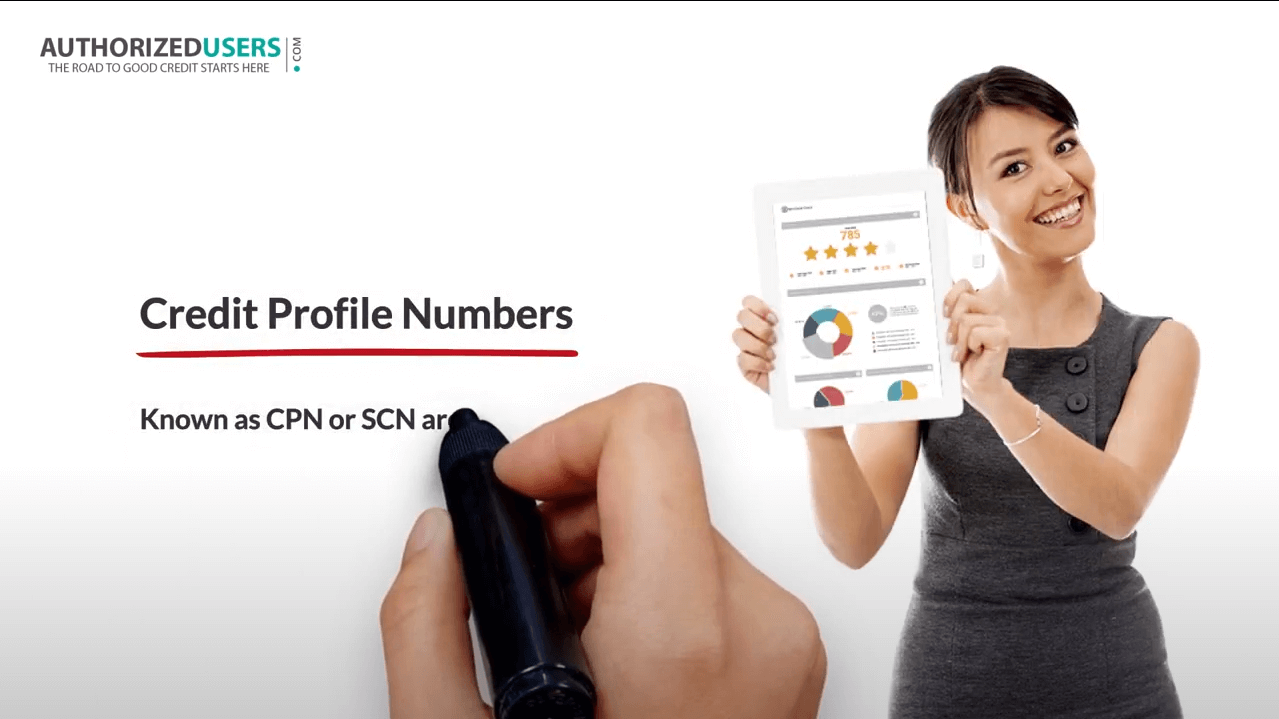
Yes. The terms are often used interchangeably. SCN stands for Secondary Credit Number, which refers to the same type of nine-digit identifier as a CPN. Both serve the same purpose in credit-related setups and follow the same usage guidelines.
A blank CPN Number has no credit history and no score attached to it. To establish a credit score, you’ll need to build tradelines—such as authorized user accounts or primary accounts—that report to the credit bureaus. Over time, these accounts will generate activity and help create a credit score for your CPN profile.
Authorized user tradelines are credit accounts—most often revolving credit cards—where someone is added as an “authorized user” on another person’s existing account. In credit terms, a tradeline is simply any account that appears on your credit report. When you’re added as an authorized user, the account’s full history—its age, payment record, and credit utilization—can be reported to your credit file.
The purpose of an authorized user tradeline is to instantly strengthen a credit profile by adding established positive history. This is especially valuable for individuals with little to no credit, or those looking to recover from negative credit events. By improving critical factors like account age, payment history, and utilization ratio, tradelines can make it easier to qualify for credit cards, loans, mortgages, or even rental approvals.
It’s important to note that not all banks or credit cards report authorized user activity to all three major credit bureaus. To maximize results, tradelines should be chosen carefully to ensure they report to Experian, Equifax, and TransUnion.
Yes. Authorized user tradelines can be attached to your CPN Number, giving your profile an immediate boost. This allows your credit report to reflect years of positive history within days—greatly improving your chances of approval for loans, credit cards, and other financing opportunities.
It depends on your financial goals. Our experts analyze your situation and recommend the right mix of credit limits, account ages, and types of tradelines to match your needs and strengthen your CPN profile effectively.
If you’re considering a CPN Number, we also offer comprehensive CPN Packages designed to help you get started on the right foot. Our packages not only include a CPN Number but also offer additional features like 1-4 tradelines to enhance your credit profile. Tradelines are accounts listed on your credit report that can boost your credit score by adding positive payment histories from established credit accounts.
When you purchase one of our CPN Packages, we ensure that your CPN Number is tri-merged with the three major credit bureaus (Experian, Equifax, and TransUnion) for seamless integration. Additionally, our CPN tradeline packages provide the advantage of building your credit quickly, as the tradelines will start contributing to your new credit profile right away.
Choose From 6 CPN Tradeline Packages Each package is customized to match your goals and financial situation.
1 tradeline, 3–5 years old, modest limit.
1 tradelines with a balance of 20,000 limit and 2-3 years in age
1 tradeline, 30,000 total limit.
2 tradelines with a combined balance of 50,000 limit and 3-5 years in age.
3 tradelines with a combined balance of 75,000 limit and 3-5 years in age.
4 tradelines with a combined balance of 95,000 limit and 3-5 years in age.
All CPN Numbers are delivered the same day they are ordered. We understand the importance of getting started quickly, and we strive to provide fast, efficient service to help you get on your journey to good credit as soon as possible.
Whether you’re looking to rebuild credit from scratch, protect your privacy, or obtain financing for major purchases, our CPN Number and/or CPN packages are a great fit.
CPN Number, short for Credit Privacy Number, began gaining attention in the early 2000s as people looked for ways to protect their privacy and keep certain financial activities separate from their primary credit files. The idea was loosely inspired by the alternate identification methods used by public figures — such as entertainers and politicians — who sought to shield their Social Security Numbers from unauthorized access.
As the concept grew, various credit-privacy advocates promoted CPNs as potential tools for individuals facing identity theft, financial hardships, divorce, bankruptcy, or other situations that made traditional credit rebuilding feel slow or overwhelming. They were often marketed as a way to “start fresh” or guard personal information during sensitive transactions.
Despite the appeal, Credit Privacy Number were never formally recognized by any government authority. They existed in a murky space where some numbers were created by using unused or irregular number sequences, while others were obtained illegally — including stolen Social Security Numbers belonging to deceased individuals or minors and resold as supposedly legitimate “clean” profiles.
By the time the 2010s arrived, misuse had become widespread. This led the FBI, FTC, and other agencies to issue warnings and increase enforcement actions. Regulators made it clear that presenting a CPN as a Social Security Number — especially on credit, loan, or government applications — could be considered fraud if it involves misrepresentation or concealment.
Today, Credit Privacy Number remain a debated and misunderstood topic. Although some people still explore them as part of fringe credit-building strategies, consumer protection experts strongly caution against their use due to the legal risks involved. CPNs continue to occupy a complicated space where financial privacy concerns, credit restoration efforts, and fraud prevention all collide.
If you’re ready to take control of your financial future and begin building a fresh credit profile our Credit Privacy Number can help. Contact us now to learn more about our Credit Privacy Number and CPN Packages, which include a Credit Privacy Number and tradelines, and start improving your credit today. With our same-day delivery service, you’ll be on your way to a brighter financial future in no time!