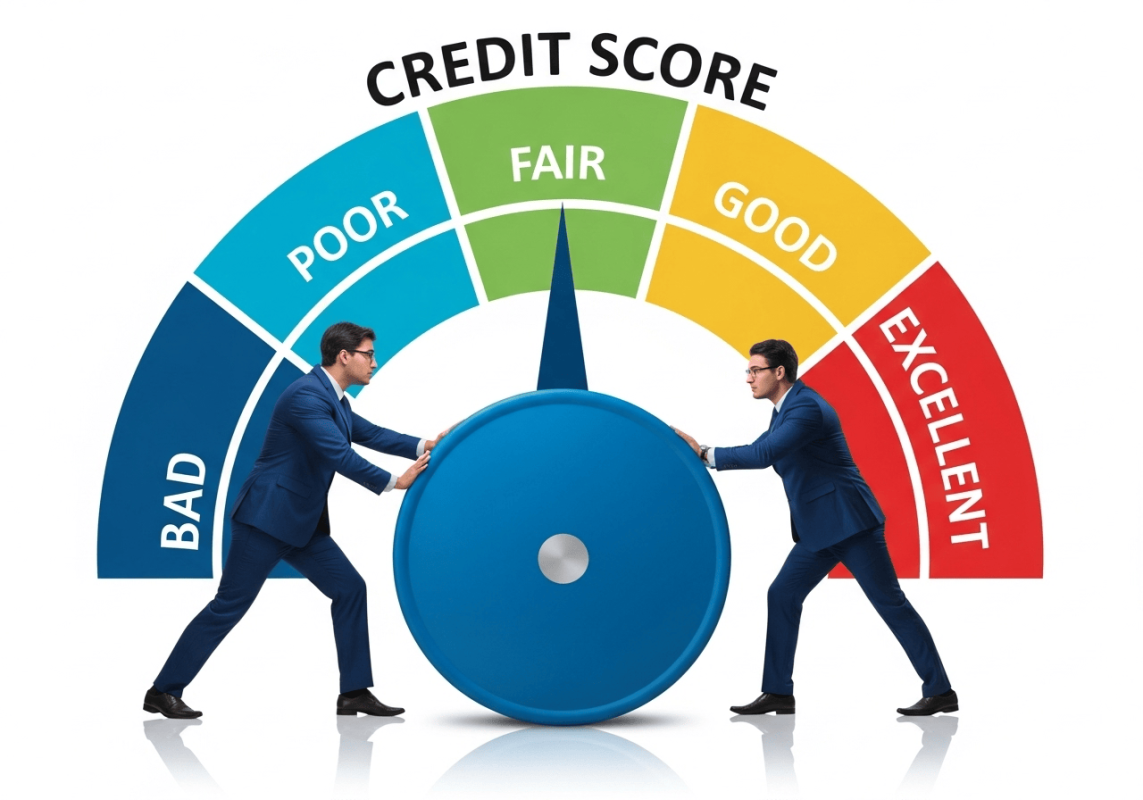
While a single high-quality tradeline can create noticeable improvement, stronger results are typically achieved by adding multiple tradelines. A well-rounded combination of accounts helps demonstrate the ability to manage different types of credit, improves overall credit utilization, and strengthens the depth of a credit profile. In many cases, having two to four credit tradelines can significantly improve approval chances for loans, rental applications, and credit cards, while also helping qualify for higher limits and more favorable interest rates.
For individuals actively building credit, this approach is often part of a longer-term strategy focused on establishing consistent, positive reporting across all major credit bureaus. Lenders closely review credit reports, and accurate reporting plays a critical role in reflecting responsible credit behavior. Many people evaluate tradelines based on factors such as account age and credit limit, then strategically add accounts that align with their goals. Working with reputable providers helps reduce the risk of reporting errors that could complicate future personal or business credit efforts. Some begin early to establish account age, while others continue adding tradelines over time as their financial objectives evolve. When used properly, credit tradelines serve as visible proof of reliable credit management and contribute to steady profile growth.
On the business side, many companies also explore tradelines that report to commercial credit agencies, since business credit bureaus assess accounts differently than personal lenders. Strategic reporting to business credit bureaus can help establish credibility more quickly, especially when accounts show strong age, balanced utilization, and consistent on-time activity. Over time, reliable reporting reinforces stability and trust, which business credit bureaus factor into scoring models. When structured correctly, this approach supports long-term growth and helps businesses build a solid credit foundation.